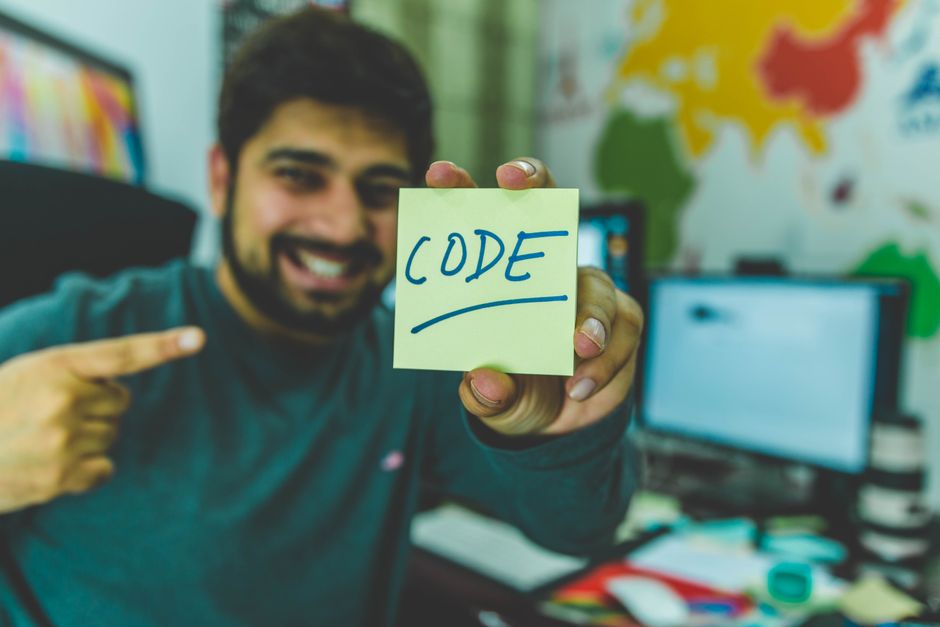
Programming and Software Engineering, Taught as a Working Craft
The academy collects its material into practical modules: coding fundamentals, the concepts behind working software, and the development practices that hold a project together once it leaves the tutorial stage. Lessons are written for people who want to build things, not collect certificates.
Modules run from first syntax to versioned, reviewed code
Examples in JavaScript and Python, with the reasoning shown
Written notes you can keep after the course ends
Reading code, breaking it, and rebuilding it is the core loop of every module.
Why AllPlant Digital Academy exists
Most people who want to work in software do not lack motivation. They lack a route. Tutorials pile up, topics jump from one language to another, and after three months nothing connects. The Academy was built to fix that specific problem: a fixed sequence of modules where each one uses what the previous one taught.
We keep the scope narrow on purpose. Fundamentals first, then software concepts, then the practices that real teams already use every day. No filler lectures, no ten-hour videos where eight hours are setup. Every module ends with something you can open, run, and explain to another person.
Sequence Modules follow a defined order, so a beginner never meets a concept before its prerequisites.
Practice Each topic ships with exercises that mirror the kind of task a junior developer gets in the first months on a team.
Currency Material is reviewed against current tooling and language versions, not archived course notes from years ago.
The expected effect is simple: after finishing a track you can read unfamiliar code, debug it without guessing, and describe your own decisions in a review. That is the baseline most employers actually test for.
Modules are written to be worked through, not skimmed.
Notes from the Academy desk
Three pieces we keep coming back to in class. Each one takes a single problem from everyday development work and follows it far enough that you can try the same steps on your own code the same evening.
Three reading pieces from the Academy library that pair well with the current course track. Each one takes a single habit and follows it through a real working situation, so you can try it the same week.
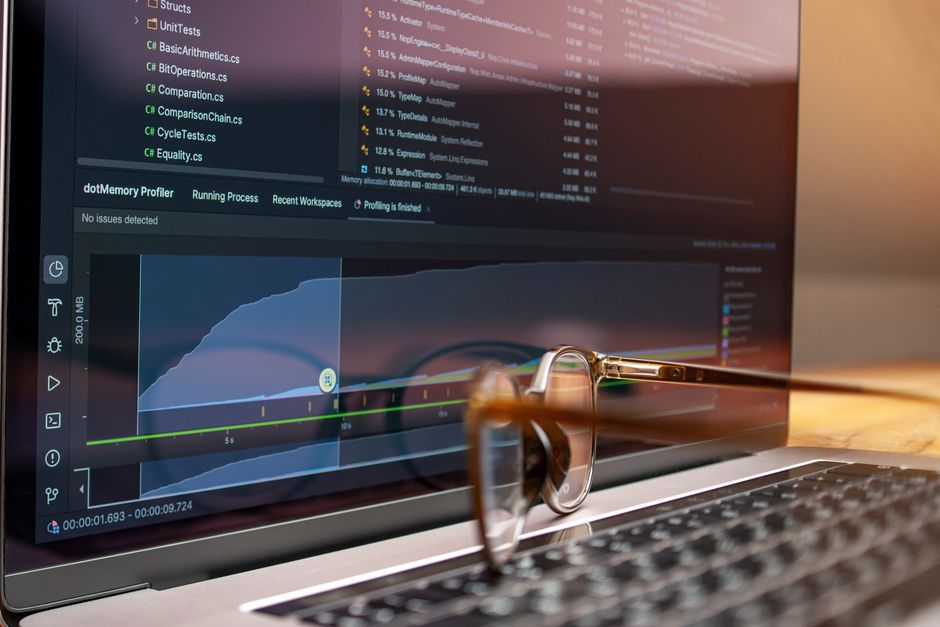
Reading a Stack Trace Without Panic
Most beginners meet their first real debugging moment when the console fills with unfamiliar lines. This walkthrough splits a trace into three layers and shows the same reading method in JavaScript and Python.
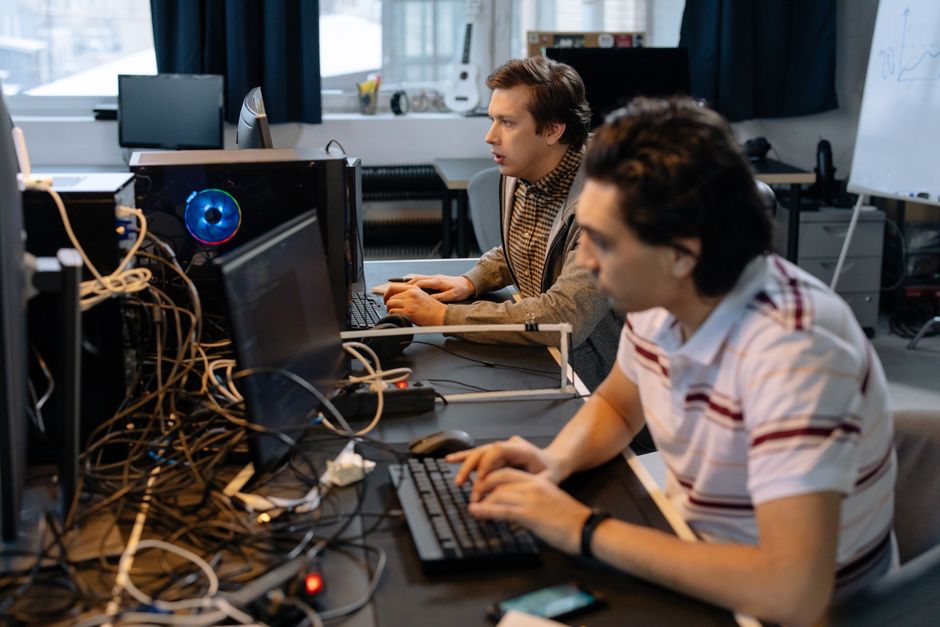
Commit size, branch naming, and review flow matter more than the command list. Follow one small feature from first branch to merged pull request, including what to do when a conflict lands mid-week.
Experienced reviewers spend their attention on naming, function boundaries, and unwritten assumptions rather than formatting. A short pull request shows which comments would matter in a real team.
Reading alongside a module works better than reading between them. Pick one article, apply it to the exercise you are already building, and note what changed in your own code.
We use cookies to keep the site reliable, remember basic choices, and understand which pages are useful. You can accept, reject, or review the settings before continuing.

 Reading a Stack Trace Without Panic
 Version Control Habits That Survive Real Projects
 What a Code Review Actually Looks For